
Notorious Rough Seas
When planning your next cruise, it’s important to be aware of seas known for their challenging conditions. The Drake Passage and the Bay of Biscay are two regions that warrant closer examination.
The Drake Passage: Located between Cape Horn and the South Shetland Islands of Antarctica, the Drake Passage is known for its rough conditions. With no landmasses to break the flow, strong currents mix with powerful winds, creating unpredictable seas. While it can occasionally be calm (a “Drake Lake”), it’s more often characterized by its formidable “Drake Shake.”


The Bay of Biscay: Off the west coast of France and north of Spain, the Bay of Biscay is known for rough seas, especially in winter. The shallow seabed and strong winds can create large waves, challenging even experienced vessels. Summer months generally offer calmer conditions.


Other Notorious Rough Seas:
- The Gulf of Alaska: Some Alaskan cruises venture through this area, known for its changeable weather.
- The Bering Sea: Stretching between Alaska and Russia, notorious for violent storms and large waves.
- The Atlantic and Pacific Oceans: Ocean crossings often involve encountering rough seas, especially in winter.
- The Mediterranean: Despite its usually calm reputation, can surprise cruisers with rough conditions in fall and winter.
- The Caribbean and The South China Sea: Both regions can experience rough seas during hurricane and typhoon seasons, respectively.
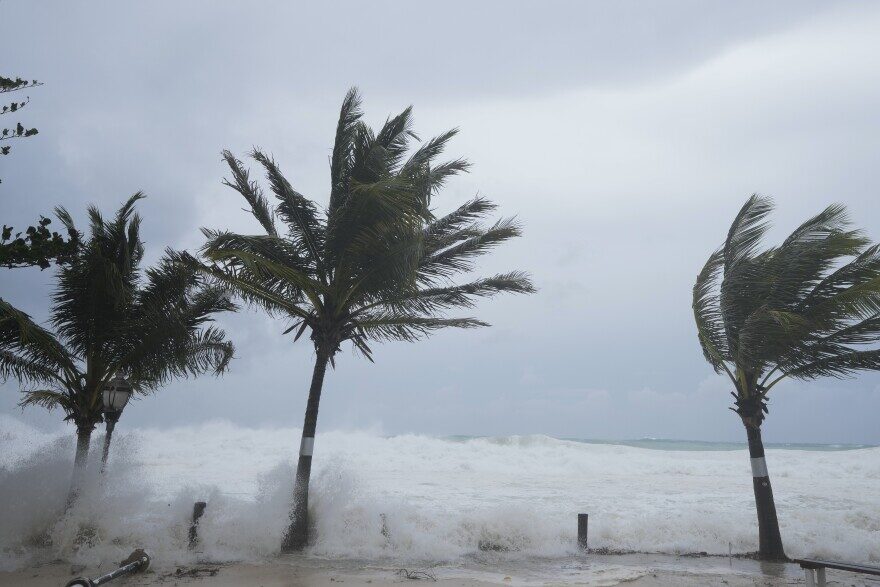


While these waters can be challenging, they’re also part of the adventure. Proper preparation can help you embrace the experience of cruising across these notable seas.
Weather and Seasonality Impact on Cruising
Understanding weather patterns and seasonality is key to a smoother sailing experience. The Caribbean’s hurricane season runs from June to November, peaking in August and September. For a more peaceful cruise, consider visiting in May or early winter.
In the South China Sea, typhoon season from July to November can lead to unpredictable conditions. Planning cruises outside these months can ensure a more stable journey.
The Mediterranean, while generally calm, can experience substantial winds and storms in fall and winter. Summer is often the best time to explore these waters.
Timing is crucial in the cruising world. While experienced navigators can adjust routes to avoid bad weather, aligning your trip with favorable seasons increases the likelihood of smooth seas. This strategy allows you to enjoy your cruise without being overshadowed by challenging weather conditions.
Safety Measures and Passenger Experiences
Modern cruise ships are equipped with advanced technology to handle rough seas. Stabilizers work to reduce rolling motion, providing a smoother ride for passengers. Cruise lines also adapt itineraries based on weather forecasts to avoid the worst conditions.
Life onboard during rough seas can be an adventure in itself. While you might notice some movement, staff work to maintain a cheerful atmosphere and continue activities where possible. These experiences often become memorable parts of the journey, with passengers bonding over the shared adventure.
"Cruise lines prioritize passenger safety and comfort, seamlessly blending excitement with peace of mind."
Whether it’s your first cruise or your fiftieth, you can trust that your journey is in capable hands.
By preparing for potential challenges and maintaining a positive attitude, you can turn even the roughest seas into an opportunity for creating lasting memories on your cruise adventure.
- Scull T. Some major white water in the Atlantic, off Patagonia. Cruise.Blog. Updated Oct 2024.
- International Maritime Bureau. Piracy and Armed Robbery Against Ships Report. 2023.
- U.S. Department of Transportation. Maritime Administration Advisory. 2023.
- National Oceanic and Atmospheric Administration. Hurricane Season in the Atlantic Basin. 2023.