
Cruise vacations are all about indulgence – endless buffets, frozen cocktails, and luxury at every turn. But have you ever stopped to think about what happens to the mountains of food waste, plastic, and used oil after you’ve enjoyed your all-you-can-eat feast? Some ships have cutting-edge systems that turn waste into energy and repurpose leftovers, but others? Not so much.

Food Waste Management Systems
On cruise ships like the Sun Princess, food waste management has evolved into sophisticated systems that process leftovers responsibly. LFC biodigesters, for instance, can handle up to 6,000 kilograms of food waste daily, converting it into a safe grey water slurry.
Used cooking oil finds new life as biodiesel, often powering operations on cruise lines’ private islands. The Micro Auto Gasification System (MAGS) processes food waste, oils, and plastics, generating about 2,400 kWh of energy daily and producing bio-char ash as a byproduct.
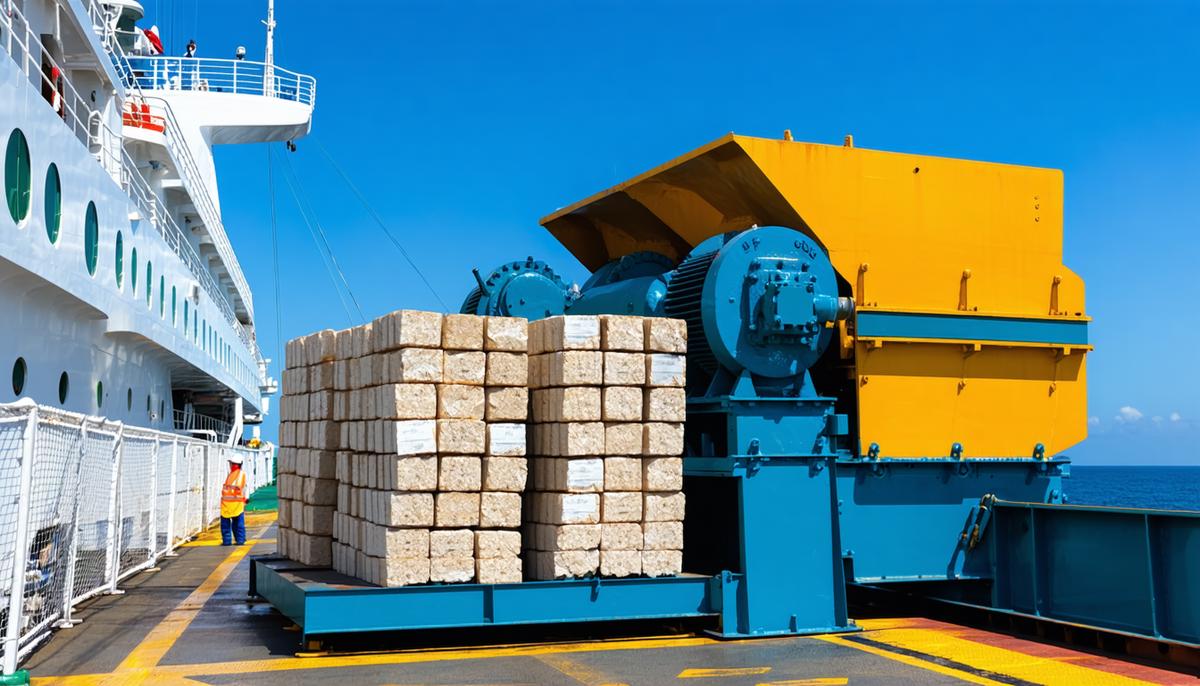
For non-organic materials, briquette presses compact waste into manageable blocks, saving storage space and reducing handling costs during offloading.
With nearly 80% of cruise ships equipped with advanced wastewater treatment facilities, they’re able to clean waste before discharge, contributing to a more environmentally friendly operation at sea.
Innovative Waste Recycling Technologies
Cruise ships are embracing innovative technologies to tackle waste management challenges. LFC biodigesters work continuously to convert food waste into eco-friendly grey water, adhering to environmental guidelines.
The transformation of used cooking oil into biodiesel showcases the industry’s commitment to sustainability. This repurposed resource now powers operations on cruise line-owned islands, giving new meaning to the concept of recycling.
MAGS technology further demonstrates the cruise industry’s ingenuity by converting various types of waste into usable energy. This system not only reduces the volume of waste but also contributes to the ship’s power needs.
These recycling technologies are changing the narrative around cruise ship sustainability. Passengers can now enjoy their vacations with the knowledge that their temporary floating home is actively working to minimize its environmental impact.
Handling Non-Organic Waste
Cruise ships employ efficient methods for managing non-organic waste, with briquette presses playing a crucial role. These devices compact materials like cans and plastics into dense, stackable blocks, significantly reducing storage space requirements.
- Reduces storage space needs
- Decreases frequency of offloading
- Lowers emissions associated with waste transfer operations
- Contributes to cost savings and environmental protection
While these behind-the-scenes efforts may not be prominently featured in cruise marketing, they represent a significant step towards sustainable tourism. As the industry continues to innovate in waste management, it’s ensuring that the pristine environments cruise passengers enjoy will be preserved for future travelers.
The cruise industry’s advancements in waste management highlight a commitment to environmental stewardship. By reimagining waste as a resource, cruise ships are setting new standards for sustainable travel, ensuring that the allure of ocean voyages can be enjoyed responsibly for years to come.
"Complying with environmental regulations is mandatory for modern cruise lines. As more stringent guidelines regarding waste management are put into place, technologies like biodigesters and MAGS are likely to become the standard in future ship designs."
- Cruise Lines International Association (CLIA). Environmental Technologies and Practices Report. 2021.
- Princess Cruises. Sustainability Report: Waste Management Practices. 2022.
- WEIMA America Inc. Waste Management Solutions for the Cruise Industry. Technical Brief. 2023.