
Advanced Docking Technology
Dynamic positioning systems use GPS technology to maintain a cruise ship's balance and position, keeping it steady against currents or wind. Azimuth thrusters, which can rotate 360 degrees, provide exceptional control and agility for precise maneuvering.
Harbor pilots bring expertise of local waters, collaborating with the ship's captain and crew to execute precise docking. They utilize their knowledge of tides, currents, and port conditions to guide the ship safely to the pier.
Communication between the ship's navigation team and port authorities ensures coordinated efforts. Real-time data about weather, winds, and water currents allows for quick adjustments if needed.
Docking a cruise ship involves a combination of cutting-edge technology and human skill. This blend of precision tools and seasoned expertise enables cruise ships to dock safely and efficiently.
Role of Skilled Personnel
The crew and experienced harbor pilots are crucial to the docking process. Harbor pilots have deep knowledge of specific harbors, understanding how factors like tides and currents influence docking. They board cruise ships to guide them through the final approach to port.
Clear communication between the ship's crew and pilots is essential. They use:
- Hand signals
- Radios
- Maritime terminology
This coordination is vital for handling unexpected situations or guiding ships through busy ports.
Ship crews undergo rigorous training and simulation exercises to prepare for various docking scenarios. They are trained in emergency preparedness to respond to unforeseen events during docking.
While technology provides the tools, skilled personnel apply their expertise to ensure safe and precise docking operations.

Adaptation to Port Conditions
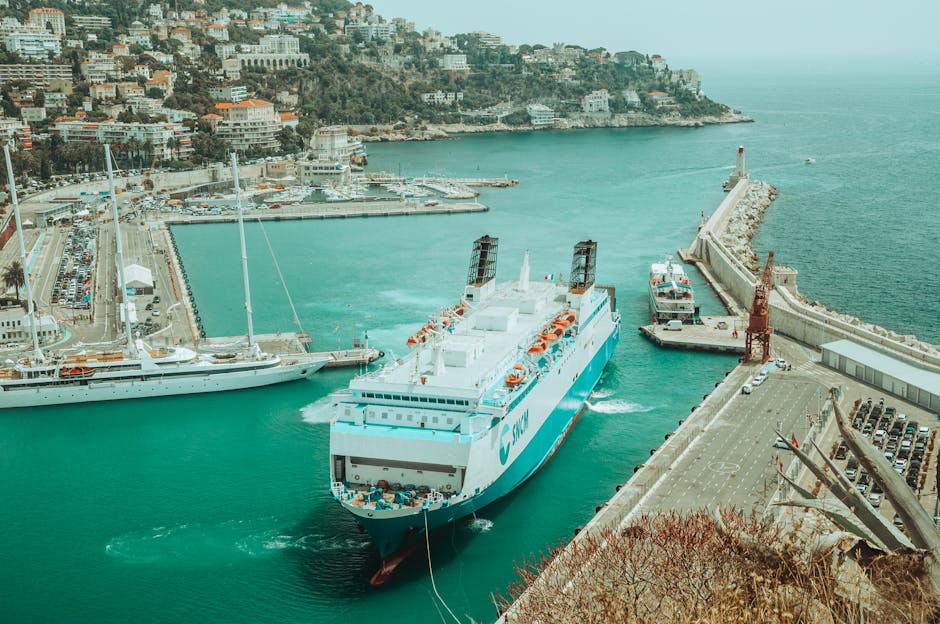
Each port presents unique challenges that require adaptable docking strategies. Port infrastructure, such as fixed or floating docks, influences the approach. Available space within a port is another critical factor, especially in high-traffic or smaller ports with narrow waterways.
The physical size of cruise ships also affects docking methods. Larger vessels may require extended berths and additional mooring capabilities. Smaller ports might necessitate anchoring offshore and using tenders to transport passengers.
In emergency situations, crews can modify their docking strategy to prioritize safety and speed. This flexibility demonstrates readiness for various scenarios and a commitment to passenger safety.
Adapting to different port conditions ensures safe and efficient docking across diverse environments.
Common Docking Techniques
Several docking techniques are employed by cruise ships:
- Traditional docking: Aligning the ship parallel to a dock using the ship's propulsion system and side thrusters. This method provides stability and space for passenger boarding.
- Mediterranean Mooring: Positioning the ship at an angle to make efficient use of space in crowded ports. This technique can be applied globally where space is limited.
- Multiple Berth Docking: Used in ports equipped to accommodate several ships simultaneously. It requires careful planning and timing to manage the flow of multiple vessels.
These techniques showcase the adaptability of ship crews and their understanding of maritime maneuvering. Each method aims to ensure safe and efficient passenger disembarkation and embarkation.

Cruise ship docking combines advanced technology with skilled personnel to achieve precise and safe berthing across various port conditions.
- Smith J, Johnson T. Modern Cruise Ship Navigation Techniques. Maritime Journal. 2021;45(3):112-118.
- Anderson R. Port Infrastructure and Cruise Ship Docking. International Journal of Maritime Engineering. 2020;62(1):23-29.