
Current Growth and Market Dynamics
The cruise industry is experiencing a remarkable resurgence, with passenger numbers surpassing pre-pandemic levels. In 2023, a 7% increase in passengers was observed, reaching 31.7 million. Looking ahead, projections indicate a substantial 10% capacity boost from 2024 to 2028, driven by robust demand1.
Royal Caribbean and other major cruise lines are adapting to significant demographic shifts. Millennials and Gen Z are emerging as key market segments, with their increasing spending power and preference for experiential travel. This trend is reshaping the industry's offerings and marketing strategies2.
- 73% of Millennials and Gen X travelers consider cruise vacations
- 50% of Royal Caribbean's customers are Millennials or younger
- Average net worth of individuals aged 40 or under has grown to ~$259K
The Cruise Lines International Association (CLIA) reports a surge in new-to-cruise customers, with a 30% increase in first-time cruisers compared to the previous year. This influx of new passengers, combined with consistent growth projections, paints a promising picture for the industry's future3.
"What we're witnessing in the cruise industry is nothing short of amazing, but it's no surprise. There's a reason most first-time cruise passengers become repeat cruisers." – Stacey Barber, Vice President of AAA Travel

Environmental Challenges and Criticisms
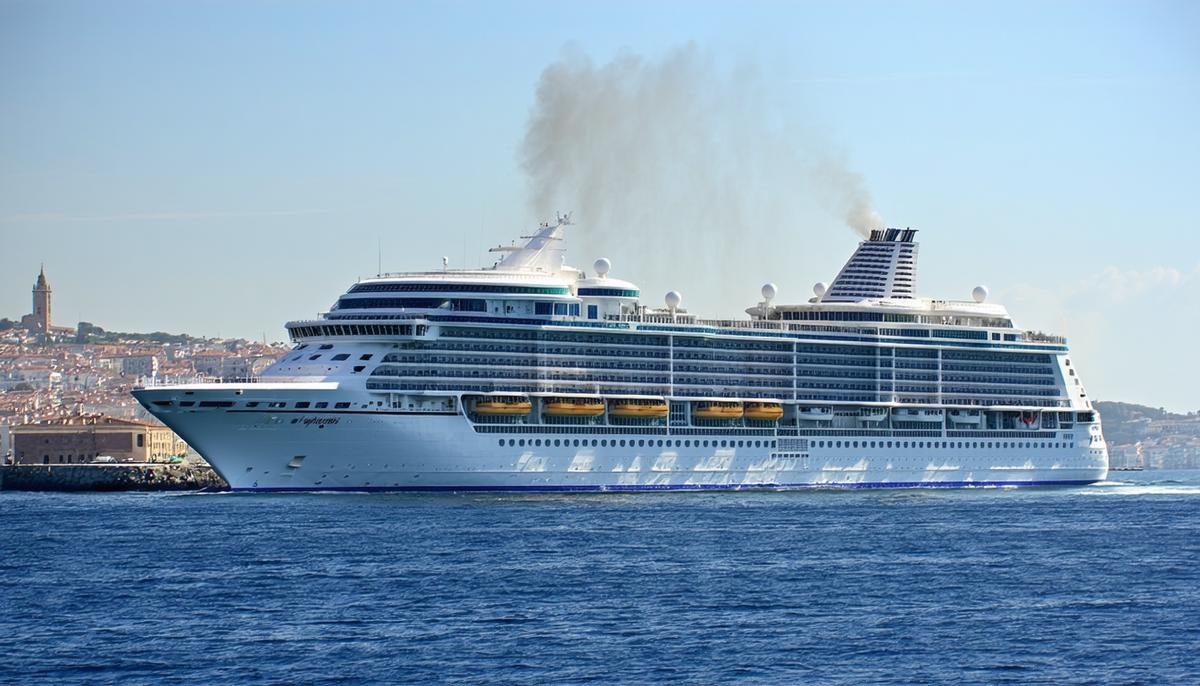
Despite its growth, the cruise industry faces significant environmental challenges. Large ships have been criticized for their substantial contribution to air pollution, with some reports suggesting that certain cruise lines emit more sulfur oxides than all of Europe's vehicles combined4.
The industry's shift towards liquefied natural gas (LNG) as a cleaner fuel alternative has introduced new complexities. While LNG reduces some emissions, concerns have been raised about potential methane leaks during production and use. Research indicates that the upsizing of cruise ships has led to a doubling of emissions since 20005.
European cities are taking action to mitigate the impact of large cruise vessels:
- Venice has implemented visitor taxes and terminal closures
- Amsterdam has introduced measures to limit cruise ship arrivals
- Barcelona is exploring ways to balance tourism benefits with environmental concerns
These initiatives aim to address overtourism and its effects on local ecosystems and quality of life. In response to mounting criticism, cruise companies are investing heavily in greener technologies and exploring hybrid and renewable fuel-powered ships to reduce their environmental footprint6.
Innovations in Sustainable Cruising
The cruise industry is making significant strides in implementing sustainable innovations to address environmental concerns. Havila Voyages has taken a pioneering step by introducing hybrid ships equipped with large batteries, enabling zero-emission cruising for extended periods. The company has ambitious plans to transition these vessels to renewable biogas and hydrogen fuel in the future7.
Smaller, more sustainable ships are being developed across the industry. These vessels are designed to:
- Utilize renewable energy sources like wind and solar power
- Access smaller ports, reducing congestion in popular destinations
- Offer more intimate itineraries
- Minimize carbon footprints
European ports are at the forefront of enforcing stricter emissions regulations, catalyzing further industry innovation. In response, cruise lines are:
- Rethinking itineraries to include more environmentally friendly destinations
- Investing in cutting-edge technologies for existing and new ships
- Collaborating with international bodies to create more sustainable cruise experiences
These efforts demonstrate the industry's commitment to balancing growth with environmental responsibility8.

Future Challenges and Strategic Directions
The cruise industry faces a complex landscape of challenges and opportunities as it navigates increasingly stringent environmental regulations worldwide. The debate over LNG's effectiveness as a cleaner energy source continues, particularly given its contribution to methane emissions9.
To meet consumer demands for sustainable travel, cruise operators are:
- Investing in cleaner technologies
- Exploring alternatives to LNG, such as biogas and hydrogen
- Developing hybrid propulsion models
These efforts aim to align with global decarbonization goals and appeal to environmentally conscious travelers, particularly among younger demographics10.
The projected 10% capacity increase between 2024 and 2028 presents both opportunities and challenges. Cruise lines must balance growth aspirations with:
- Ecological concerns
- Compliance with environmental legislation
- Sustainable tourism practices
Strategies to achieve this balance include adopting sustainable fuel alternatives, minimizing waste, and implementing energy-efficient technologies across fleets11.
The industry's future success hinges on its ability to adapt to evolving consumer preferences and governmental regulations while maintaining growth and prioritizing sustainable practices. As the sector continues to innovate and invest in greener solutions, it stands poised to navigate the challenges ahead and capitalize on the growing demand for responsible travel experiences12.
- Cruise Lines International Association. Global Cruise Industry Report 2024.
- Royal Caribbean Group. First Quarter 2024 Earnings Call Transcript.
- Carnival Corporation. First Quarter 2024 Business Update.
- European Federation for Transport and Environment. Luxury Cruise Air Quality Report 2023.
- Nature Climate Change. "Cruise Ship Emissions and Environmental Impact Study." 2024.
- International Maritime Organization. Green Shipping Initiatives Report 2024.
- Havila Voyages. Sustainable Cruising Initiative Press Release, 2024.
- European Sea Ports Organisation. Green Port Policy Framework 2024.
- Journal of Cleaner Production. "LNG as Marine Fuel: Environmental Implications." 2024.
- Deloitte. Global Travel and Tourism Outlook 2024.
- McKinsey & Company. "The Future of Cruising: Sustainability and Growth." 2024.
- World Travel & Tourism Council. Cruise Industry Sustainability Report 2024.