
1. Prince Rupert, Canada
Prince Rupert, Canada, a frequent stop on Alaskan itineraries, often disappoints cruise passengers. The city’s atmosphere is described as lackluster with unappealing infrastructure. Downtown offers little to entice cruisers, characterized by unremarkable shops and few notable landmarks.
Excursions like the Prince Rupert City Highlights and Museum tour often conclude quickly and lack substantial engagement. The port primarily serves as a logistical stop for refueling and provisioning, rather than offering genuine tourism value.
Many passengers find staying aboard the ship more rewarding, enjoying onboard amenities or views of the surrounding natural beauty from the deck.
"The best thing to do when docked in Prince Rupert is to admire it from the ship's deck."

2. Samaná, Dominican Republic
Samaná’s appeal is often overshadowed by safety concerns and a lack of engaging activities. Travelers express unease, particularly when greeted by aggressive local vendors. The town’s inadequate infrastructure and limited attractions contrast with expectations of a Caribbean paradise.
Excursions, such as the promoted hiking trip to a nearby waterfall, frequently disappoint due to environmental degradation and poor maintenance.
For those visiting Samaná, researching alternative excursions through trusted providers or enjoying a day aboard the ship can be preferable options.
3. Santa Marta, Colombia
Santa Marta, primarily a shipping port, presents visitors with uninspiring industrial views. Safety concerns are common, amplified by encounters with persistent street vendors.
Experienced cruisers suggest sticking to organized excursions if disembarking. These prearranged trips often transport passengers away from the industrial port to more scenic areas like Tayrona National Natural Park.
Alternatively, staying aboard to enjoy the ship’s amenities may be the most appealing option for some passengers.
4. Sihanoukville, Cambodia
Sihanoukville has transformed from a picturesque fishing village into an overwhelming cityscape dominated by ongoing construction projects. Environmental degradation, including pollution on land and in coastal waters, detracts from the expected Southeast Asian experience.
- Visitors report challenges with aggressive local drivers
- Cambodian visa required, even for those not planning to disembark
Cruisers may prefer to seek out curated excursions to less disrupted areas or enjoy the ship’s amenities rather than exploring the port city.

5. Santos, Brazil
Santos, the gateway to São Paulo, presents challenges for cruise visitors. The industrial port atmosphere and logistical difficulties in reaching the city center can be off-putting. Once in Santos, travelers often find a lack of engaging attractions and safety concerns limiting exploration.
Excursions to São Paulo, while marketed as highlights, frequently disappoint due to long transit times and limited sightseeing opportunities.
Careful planning, including researching well-vetted tour operators or opting to stay onboard, can help cruisers make the most of their time in Santos.

6. Brest, France
Brest often fails to meet expectations of a charming French locale. Visitors cite a lack of captivating attractions and challenges with public transportation. The city’s strong industrial focus detracts from the aesthetic typically sought by cruise passengers.
Some travelers report finding interactions with locals less welcoming than in other parts of France.
Given these factors, cruisers might consider remaining on the ship or researching excursions beyond the city to discover hidden gems or sample local Breton cuisine.
7. Agadir, Morocco
Agadir’s industrial port presents challenges for cruise visitors. Transportation from the port to the city center often involves complicated logistics and unexpected expenses. Safety concerns and reports of unfriendly interactions with locals can leave travelers feeling uneasy.
The city’s souk offers a glimpse into Moroccan culture, though aggressive vendor tactics may overshadow the experience. Visitors should consider whether exploring Agadir is worth the effort or if staying aboard the ship is preferable. Those who venture ashore may benefit from joining well-researched, reputable excursions.
8. Salvador De Bahia, Brazil
Salvador De Bahia often falls short of visitors’ expectations. The city’s streets and infrastructure appear neglected, which can overshadow its historical charm. Interactions with aggressive vendors and beggars may create discomfort for those trying to explore.
Organized tours can provide a more curated view of Salvador’s highlights, revealing its cultural richness. However, some cruisers may prefer to avoid potential stressors by staying on the ship and enjoying onboard amenities. Careful planning is key to maximizing the experience in Salvador De Bahia.
9. Alotau, Papua New Guinea
Alotau presents a mix of challenges and unique experiences. While the port area lacks polish, many visitors appreciate the warmth of local residents. The markets, though basic, offer insights into local customs and traditions.
Cultural displays and performances showcase Alotau’s heritage, providing authentic experiences for those interested in indigenous cultures. Visitors can choose between:
- Organized excursions
- Independent exploration
- Relaxing onboard
The decision depends on individual preferences and comfort levels.

10. Santo Domingo, Dominican Republic
Santo Domingo’s port area often disappoints cruise visitors due to safety concerns, cleanliness issues, and limited nearby attractions. The presence of armed guards can create unease rather than reassurance.
Excursions to sites like the historic Zona Colonial or Los Tres Ojos caves can be hindered by logistical challenges and long travel times. Visitors should research tour options carefully or consider enjoying ship amenities instead. With proper planning, Santo Domingo can offer cultural insights despite its complexities.
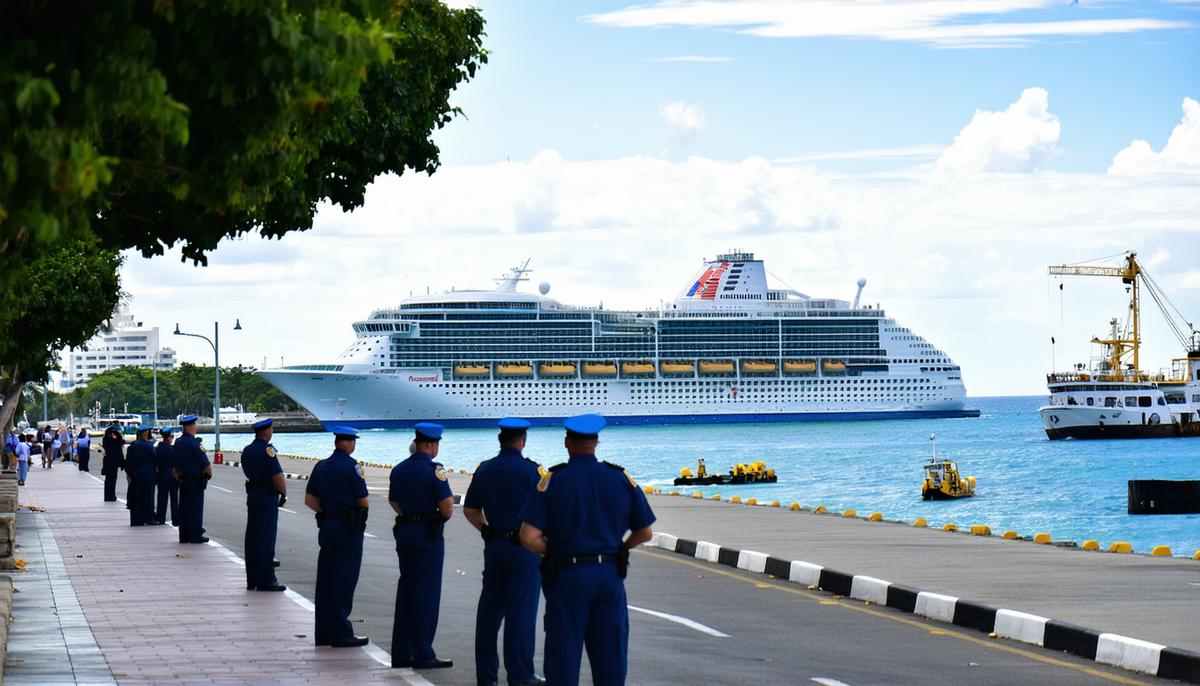
11. Manzanillo, Mexico
Manzanillo’s industrial atmosphere can be underwhelming for cruise passengers. The port’s focus on shipping rather than tourism results in limited activities within the immediate area. Safety concerns and a noticeable security presence may affect visitors’ comfort levels.
Excursions often involve long transit times and may not meet expectations. Travelers can opt for carefully selected shore excursions or choose to enjoy onboard amenities during the port stop. Understanding Manzanillo’s nature as a working port can help manage expectations and make the most of the visit.

Each port contributes to the overall cruise experience, whether through onshore exploration or onboard relaxation. Travelers can shape their journey by making informed choices at each destination.