
P&O Cruises’ Arvia Rescues Stranded Fishing Boat
P&O Cruises’ ship Arvia recently demonstrated the crucial role of cruise ships in maritime safety. The vessel came to the aid of a fishing boat that had lost power at sea, spotting distress flares fired by the boat’s owner. Arvia’s crew provided a new battery, enabling the stranded vessel to restart and return home safely.
This heartwarming incident, shared widely on social media, drew praise from passengers for the crew’s swift and compassionate actions. It adds to a growing list of cruise ship rescues, highlighting their importance in maritime assistance.
One notable example occurred in December 2018, when Royal Caribbean’s Empress of the Seas rescued two fishermen who had been adrift for an astonishing 20 days near Grand Cayman. Such incidents underscore how cruise ships, equipped with advanced technology and experienced crews, are well-positioned to provide critical aid at sea.
Cruise Ships: Vital Players in Maritime Safety
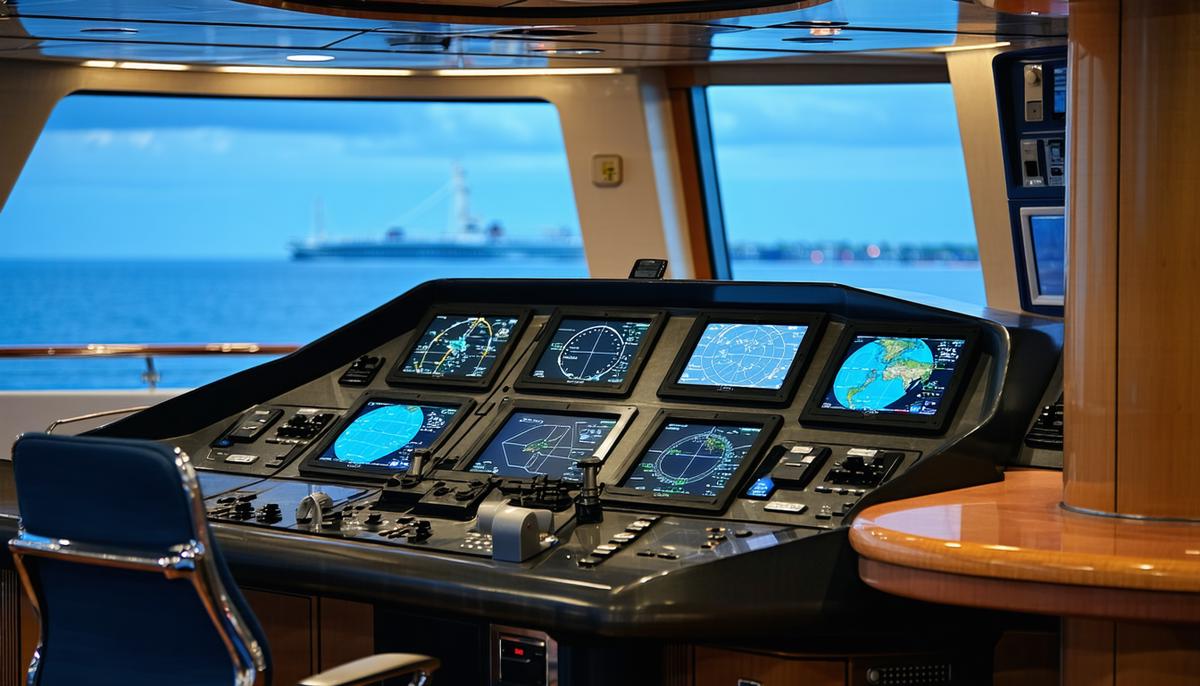
Cruise ships play a crucial role in marine emergencies, thanks to their:
- Advanced technology
- Highly trained crews
- Sophisticated communication equipment
- Onboard medical facilities
These assets allow for rapid response to distress signals and the provision of critical care when needed. The rescue by Royal Caribbean’s Empress of the Seas near Grand Cayman exemplifies this capability, as the crew not only provided immediate medical assistance but also coordinated with local authorities for further support.
Beyond assisting stranded vessels, cruise ships sometimes aid refugee boats in distress, guided by international regulations such as the Safety of Life at Sea (SOLAS) convention. Their actions often exceed mandatory measures, reinforcing their vital role in maintaining safety across the world’s oceans.
International Maritime Obligations
The International Convention for the Safety of Life at Sea (SOLAS) forms the backbone of maritime safety regulations. Established in 1914 following the Titanic disaster, SOLAS mandates that all ships must:
"…aid others in peril when safe to do so. Ships must respond to distress signals and engage in rescue efforts when possible without serious risk."
This regulation underscores the responsibility of cruise ships within the maritime community. With their advanced navigation and communication systems, cruise ships are integral to a globally interconnected safety network.
The actions of ships like Arvia reflect the time-honored maritime tradition of mutual assistance. Whether responding to distress flares or supporting smaller vessels, cruise ships exemplify the shared values of nautical culture. Through adherence to SOLAS and the dedication of their crews, cruise ships continue to play a significant and admirable role in maritime assistance and safety.
-
1. International Maritime Organization. International Convention for the Safety of Life at Sea (SOLAS), 1974. London: IMO; 1974.
2. Cruise Lines International Association. Cruise Industry Operational Safety Review. Washington, DC: CLIA; 2012.
3. United Nations High Commissioner for Refugees. Rescue at Sea: A Guide to Principles and Practice as Applied to Refugees and Migrants. Geneva: UNHCR; 2017.